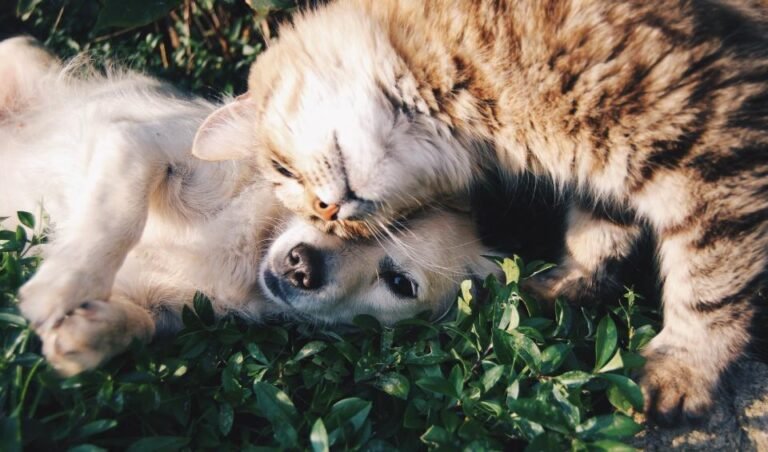
Caring for a pet does not have to be complicated. Many of the things that make the biggest difference to a dog’s or cat’s wellbeing are small habits repeated every day. At ViralPaws we love a funny video as much as anyone, but we also believe that happy pets start with good everyday care. Here are simple, practical tips to help your companion live a healthier and happier life.
Please note: these tips are general information only. Every pet is different, and your veterinarian is the best person to advise on your own animal’s needs.
1. Feed a Balanced, Age Appropriate Diet
Good nutrition is the foundation of health. Choose a complete food designed for your pet’s species, age and size, and follow the feeding guide on the pack as a starting point. Puppies and kittens have different needs from adults, and older pets may benefit from senior formulas.
- Measure meals instead of guessing. Small extra handfuls add up quickly.
- Keep treats to a small part of the daily diet.
- Make any food changes gradually over several days to avoid upset stomachs.
- Learn which human foods are dangerous. Chocolate, grapes, raisins, onions, garlic and products containing xylitol can be harmful to pets.
2. Make Fresh Water Easy to Find
Pets should always have access to clean, fresh water. Wash bowls daily and refill them often, especially in warm weather. Cats in particular can be fussy drinkers. Many prefer wide, shallow bowls placed away from their food, and some drink more from a pet water fountain.
3. Keep Them at a Healthy Weight
Extra weight can put strain on joints and is linked with a range of health problems in pets. A simple check is to gently feel your pet’s sides. You should be able to feel the ribs without pressing hard, and most pets should have a visible waist when viewed from above. If you are unsure, ask your vet to assess your pet’s body condition at their next check up.
4. Move Every Day
Exercise keeps muscles strong and helps prevent boredom. Dogs need daily walks and play, with the amount depending on breed, age and health. Working and sporting breeds often need much more activity than small companion breeds.
Cats need exercise too, even if they live indoors. Wand toys, balls, cardboard boxes and climbing trees encourage natural hunting and jumping behaviour. Several short play sessions a day usually suit cats better than one long one.
5. Exercise Their Brains
A bored pet can become a destructive or anxious pet. Mental stimulation is just as important as physical exercise.
- Use puzzle feeders or snuffle mats so meals become a fun challenge.
- Teach a new trick using rewards. Short training sessions build confidence and strengthen your bond.
- Rotate toys every few days so old favourites feel new again.
- Let dogs sniff on walks. Following scents is a natural and satisfying activity.
6. Groom Regularly
Brushing removes loose hair, prevents painful mats and gives you a chance to check your pet’s skin for lumps, bumps, ticks or fleas. Long haired breeds may need brushing every day, while short coats can be brushed weekly. Do not forget nails. Overgrown nails can be uncomfortable and affect how a pet walks, so trim them regularly or ask a groomer or vet to help.
7. Look After Their Teeth
Dental disease is very common in adult cats and dogs. Brushing your pet’s teeth with a toothpaste made for animals is the most effective home care. Start slowly, using lots of praise and rewards, and build up over a few weeks. Dental chews and toys may help, but they are not a full substitute for brushing. Bad breath, red gums or difficulty eating are all good reasons to book a dental check.
8. Stay on Top of Routine Vet Care
Regular check ups allow problems to be spotted early, when they are often easier to treat. Your vet can advise on vaccinations, parasite prevention for fleas, ticks and worms, and whether neutering is right for your pet. Older pets often benefit from more frequent check ups.
9. Learn the Warning Signs
Pets cannot tell us when they feel unwell, so it helps to know what is normal for your animal. Contact your veterinarian promptly if you notice changes such as:
- Loss of appetite or a sudden increase in thirst
- Vomiting or diarrhoea that lasts more than a day, or contains blood
- Lethargy, hiding or unusual behaviour
- Coughing, difficulty breathing or limping
- For cats, straining in the litter tray or going in and out without passing urine, which needs urgent attention
10. Create a Safe, Comfortable Home
Every pet needs a quiet place to rest. Give your dog a comfortable bed away from busy walkways, and give your cat high perches and hiding spots where they can retreat. Keep cleaning products, medicines, small objects and toxic plants such as lilies out of reach. Lilies are especially dangerous to cats.
11. Use ID and Keep Details Up to Date
A collar with an ID tag and a registered microchip greatly improve the chances of a lost pet coming home. Make sure your contact details on the microchip database are current whenever you move house or change your phone number.
12. Spend Quality Time Together
Perhaps the simplest tip of all is to enjoy your pet. Gentle stroking, play, training and quiet time together help your pet feel secure and loved. Many owners find that time with their pet lifts their own mood too.
Small Changes, Big Difference
You do not need to transform your routine overnight. Pick one or two tips from this list and build them into your week. Measuring meals, adding a daily play session or starting a tooth brushing routine can make a real difference over time.
For more practical advice, heartwarming stories and the funniest pet moments online, keep visiting ViralPaws at viralpaws.us. And remember, if you are ever worried about your pet’s health, the right person to call is your local veterinarian.